
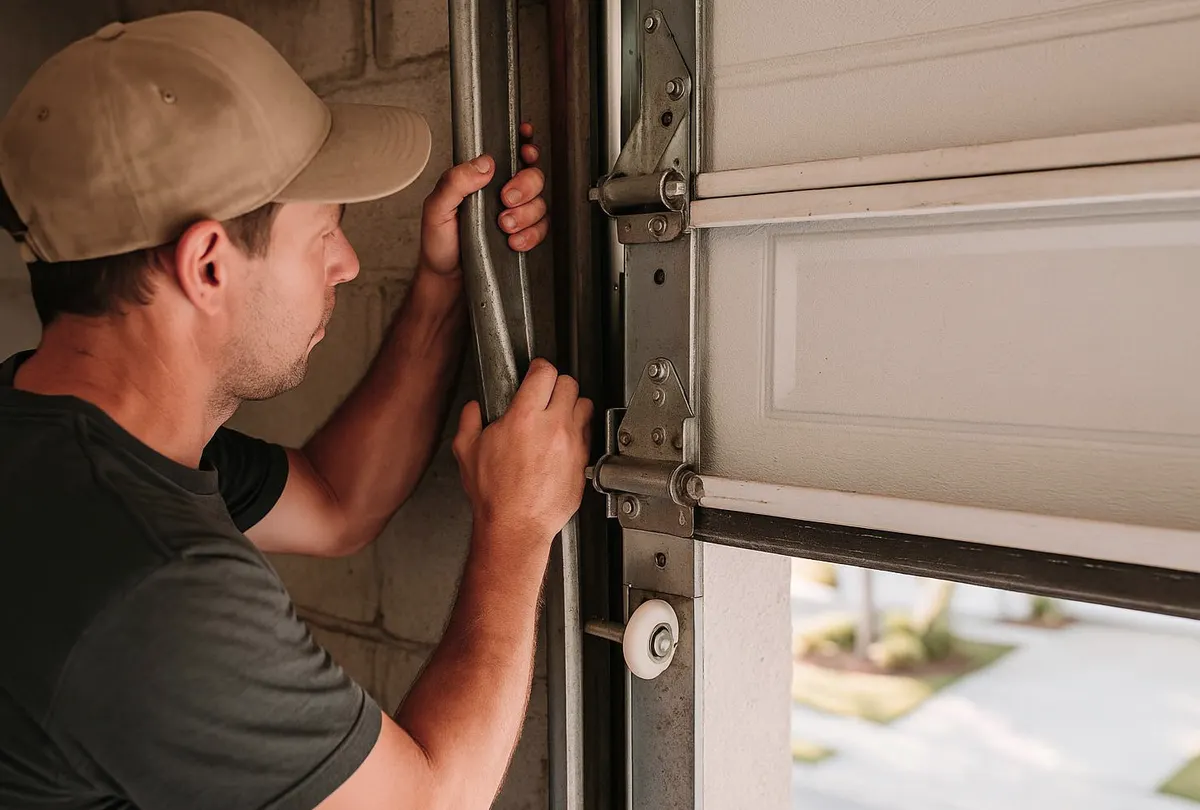
On a typical call to a small warehouse, auto shop, or commercial unit in the area, a technician usually finds the same thing: a heavy-duty steel door that's been run dozens of times a day, every day, with none of the babying a homeowner gives their residential door. The springs are oversized, the track is bent from a forklift tap nobody reported, and the opener is a chain-hoist unit built for cycles, not curb appeal. If you and your spouse are arguing about whether your business's door is 'just a big version' of your home garage door, here's the actual answer: no, and the differences matter for both safety and upkeep.
What Makes a Commercial Door Different
Residential doors are built for maybe 3-5 cycles a day and are sized to match a house's garage bay — usually a single or double opening. Commercial and warehouse doors are engineered for volume: dozens to hundreds of cycles daily, wider and taller openings, and far heavier panel materials (often 24-26 gauge steel versus the lighter residential gauges). The spring systems reflect that. Instead of a pair of torsion springs rated for a few thousand cycles, commercial doors often use heavier torsion springs, sometimes with a shaft-mounted safety cable or backup system since the stored energy in a failed spring on a 12-foot-wide door is a genuinely serious hazard.
Openers differ too. A home uses a belt or chain drive opener rated for light residential use. Commercial settings typically run jackshaft operators or heavy chain hoists, often with separate controls for different access points — a pedestrian door next to the main bay, a keypad for staff, and sometimes a photo-eye setup tied into building security rather than a simple remote.
Why This Matters for New England Buildings
Commercial doors around here face the same salt, slush, and freeze-thaw cycles residential doors do, but with higher stakes. A warehouse door that won't seal properly lets humid summer air and winter moisture straight into stored inventory. A door that freezes shut on a loading dock during a nor'easter isn't an inconvenience — it's a shut-down. The bottom seals on commercial doors take more abuse from forklifts and foot traffic, so they wear out faster than a homeowner would expect, and road salt tracked in on tires accelerates track corrosion more than most building owners realize.
Maintenance That Actually Matters Here
- Track and roller inspection — more frequent than residential, since commercial doors cycle so often. Bent track from equipment contact should be caught before it causes the door to bind or jump off the roller.
- Spring tension checks — heavier springs under higher cycle counts fatigue faster. A spring that's starting to sag changes how the door balances, which strains the opener.
- Weatherseal replacement — bottom seals and side seals take a beating from both weather and daily wear; replacing them before winter cuts down on ice buildup along the threshold.
- Lubrication on a schedule — not just when something squeaks, but on a set interval, since humid summers and salty winters both work against bare metal hinges and rollers.
- Opener and safety system testing — photo eyes, reversing mechanisms, and emergency releases need regular function checks, especially where staff cycle the door constantly.
Heading into the colder months, this is the time to get ahead of it: check that the bottom seal isn't already cracked or gapping, confirm the opener's force settings haven't drifted (a common cause of doors that won't close all the way once cold tightens up the hardware), and make sure any heated space behind the door isn't losing warm air through a door that no longer seals tight.
When to Call Milton Garage Door
If your commercial or warehouse door is cycling slower than it used to, sticking partway, or making a grinding sound at the top of the track, that's worth a look before it fails during business hours. Milton Garage Door handles garage door maintenance and cable & track repair for commercial properties as well as homes, and can spot a spring or track issue before it turns into a door that won't open on a Monday morning.
Serving Milton, Quincy, Braintree, Canton, Dorchester, Randolph, Dedham, and Weymouth — if your business's overhead door needs a once-over before winter, give Milton Garage Door a call.